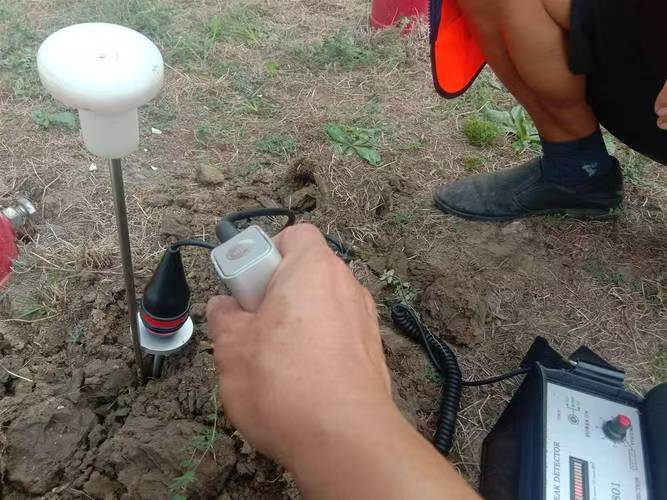
Short answer: Four methods cover every budget. The screwdriver or soil probe test is free and checks the root zone 6–12 inches down. The hand-squeeze test needs no tools and tells you if soil feels like a wrung-out sponge. A moisture meter ($10–20) gives a number but needs correct placement. A tensiometer is the accurate choice for serious growers. Always check at root-zone depth (about 4–8 inches for vegetables), never the dry surface — and let the reading drive your schedule, not the calendar.
By the ProIrrigate Team · Updated October 2026
Why measure instead of guessing
A schedule set by the calendar over-waters as often as it under-waters — weather, rain and soil type change the answer weekly. Measuring the actual moisture in the root zone is what turns a fixed timer into a system that gives plants what they need. How to turn that reading into a run time is covered in our drip run-time guide.
Method 1: Screwdriver or soil probe (free)
Push a long screwdriver or a dedicated soil probe into the bed an hour after watering.
- Slides in easily to 6–12 inches, then meets resistance → adequately moist.
- Stops high or needs force at 2–3 inches → too dry, water more.
- Squelches or the hole fills with water → too wet, cut back.
This is the fastest read on the whole root zone and costs nothing. Do it in a few spots per bed — drip wets unevenly, so one reading lies.
Method 2: Hand-squeeze test (free)
Dig a small handful of soil from 4 inches down and squeeze it.
- Forms a ball that crumbles when poked → loam at the right moisture.
- Runs through your fingers / won’t hold shape → too dry.
- Squirts water or forms a sticky ribbon → too wet.
It’s subjective, but after a season you’ll read your soil at a glance. Best paired with the screwdriver test for confirmation.
Method 3: Moisture meter ($10–20)
A probe meter gives a 1–10 or percentage reading.
- Insert to the root zone, not just the surface (most beds: 4–6 inches).
- Take readings in several spots — drip creates wet and dry bulbs, not uniform soil.
- Treat it as a trend, not gospel: cheap meters drift and vary by soil type. Calibrate against the hand-squeeze test a few times so you know what “dry” reads as on your meter.
A meter is genuinely useful for containers and raised beds where the volume is small and dries fast.
Method 4: Tensiometer (accurate)
A tensiometer measures soil water tension in centibars — how hard roots must pull to get water. It’s the tool extension services and serious growers use.
- Install at root-zone depth in a representative spot.
- Read the gauge; higher tension = drier soil.
- Great for automating decisions on larger or high-value beds.
Overkill for a first home garden, but worth it once you’re managing many zones or valuable plants.
Comparison table
| Method | Cost | Accuracy | Best for |
|---|---|---|---|
| Screwdriver / probe | Free | Good (root-zone depth) | Every garden, quick checks |
| Hand squeeze | Free | Fair (subjective) | Confirming a reading, no tools |
| Moisture meter | $10–20 | Fair–good (needs calibration) | Containers, raised beds, trends |
| Tensiometer | $30–80+ | High | Serious growers, large beds |
How deep and how often
- Depth: check where the active roots are — about 4–8 inches for most vegetables, deeper for shrubs and trees (12+ inches). The surface is almost always drier than the root zone and will mislead you.
- Frequency: weekly in steady weather, after any significant rain, and during heat waves. More often for containers, which dry out fast.
Five measuring mistakes
- Checking the surface only. The top inch lies; roots are deeper.
- Trusting one spot. Drip wets in bulbs — sample several.
- Reading a meter without calibrating it to your soil.
- Ignoring rain. A $5 rain gauge beats a fixed schedule.
- Watering on a date, not a reading. Measure, then decide.
FAQ
How do I know if my soil is too dry? A screwdriver meets resistance at 2–3 inches, or squeezed soil won’t hold a shape. Water when the root zone (4–8 in) feels dry.
Are cheap moisture meters accurate? Roughly. They drift and vary by soil, so calibrate yours against the hand-squeeze test a few times and use it for trends, not exact numbers.
How deep should I check moisture? At the active root zone: ~4–8 inches for vegetables, deeper for shrubs and trees. Never judge by the dry surface.
How often should I measure? Weekly in steady weather, after rain, and during heat waves. Containers need checking more often.
Does mulch change what I measure? Mulch keeps the surface moist and the root zone steadier, so you’ll measure wetter at the same schedule — expect to cut run time ~20–30%. See our run-time guide for the adjustment.
Sources and method: Measurement depths and method guidance follow standard home-garden irrigation practice from university extension services. Readings are planning signals — calibrate to your own soil and climate.
Related: Drip Irrigation Run-Time Schedule · Drip Emitter Flow Rates Explained · How to Install a Drip Irrigation System